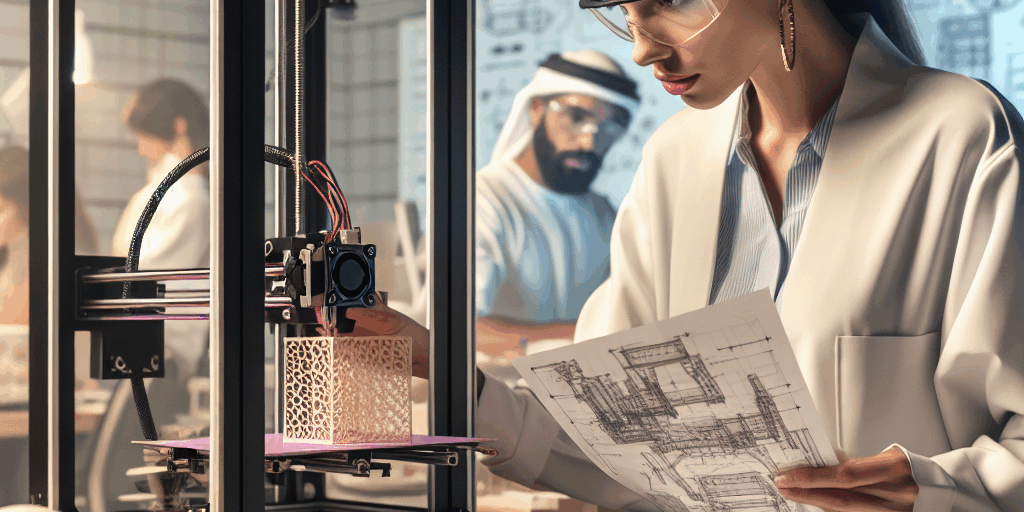
In the realm of modern product design, rapid iterations and reduced time-to-market are critical for success. Industries are increasingly under pressure to deliver high-quality prototypes at a faster pace, and this is where 3D printing comes into play. From concept to a tangible product, 3D printing technology offers numerous advantages, enabling designers and engineers to test, refine, and perfect their ideas swiftly. Leveraging the advancements in 3D technology not only accelerates the design process but also enhances creativity and innovation.
The Evolution of 3D Printing
Initially, 3D printing was seen merely as a futuristic concept characterized by complex machinery and high costs. However, as technology advanced, the accessibility and affordability of 3D printers increased. Today, 3D printing serves numerous industries, from healthcare to automotive, aerospace to consumer goods, providing a pivotal tool in converting blueprints into functional prototypes.
According to Moon Studio 3D, the expertise in 3D modeling and printing has become the backbone of innovation, allowing for countless applications in product designs, such as custom jewelry, medical devices, and intricate architectural models.
Advantages of 3D Printing in Rapid Design Iteration
1. Speed and Efficiency
Traditional manufacturing methods often involve long lead times, numerous iterations, and significant retooling. 3D printing eliminates many of these delays by offering a streamlined approach. Once a digital model is created, a prototype can be printed within hours, enabling immediate evaluation and iteration. This reduces the time taken to go from a blueprint to a tangible sample, thereby accelerating the overall product development lifecycle.
2. Cost-effectiveness
Developing prototypes using traditional methods is typically cost-prohibitive due to the expense of setting up production lines and molds. With 3D printing, there’s no need for specialized tooling; the same printer can manufacture different designs. This flexibility significantly reduces costs, especially in the early stages of product development when multiple design iterations are necessary. As noted in Moon Studio 3D’s product design services, this affordability factor makes 3D printing a crucial strategy for startups and small-scale innovators.
3. Design Flexibility
3D printing allows for unprecedented design freedom, accommodating complex geometries that traditional methods struggle to achieve. Designers can experiment with shapes, sizes, and structures without being constrained by the limitations of conventional manufacturing processes. This capability is particularly vital in creating detailed and customized products, such as those found in Moon Studio 3D’s architectural models.
4. Risk Mitigation
By quickly turning digital models into physical prototypes, 3D printing allows for comprehensive testing and evaluation of design features. This iterative testing helps identify and rectify potential design flaws at an early stage, reducing the risk of costly errors in the final production. This proactive approach to risk management ensures that only the most refined and well-tested products advance to market, a philosophy that is echoed in the portfolio showcased by Moon Studio 3D.
5. Environmental Impact
3D printing processes are generally more sustainable than traditional manufacturing techniques. This technology uses only the required material to create a product, minimizing waste. Furthermore, 3D printed parts often have a longer lifecycle due to the ability to print replacement parts, contributing to extended product longevity and reduced environmental impact.
Case Studies: Practical Applications in 3D Printing
One of the compelling examples of 3D printing’s impact is in the medical sector, where personalized prosthetics and implants can be created much faster and at a lower cost than traditional methods. Such innovation not only benefits patients through rapid delivery but also enhances comfort and customization, ultimately leading to better healthcare outcomes.
In the automotive industry, companies utilize 3D printing to rapidly prototype components, testing form and functionality before committing to expensive production lines. This methodology is not just cost-efficient but also fosters innovation by allowing designers to trial cutting-edge designs that wouldn’t be feasible through conventional techniques.
Conclusion
As industries continue to embrace digital transformation, the relevancy of 3D printing in rapid design iteration becomes increasingly undeniable. Its capacity to reduce time-to-market, minimize costs, and encourage inventive designs positions 3D printing as a cornerstone in modern manufacturing strategies. As seen in the array of services and projects by Moon Studio 3D, the future of product design lies in harnessing these technological advancements, enabling businesses to not only meet but surpass consumer expectations.
Whether you’re developing a sleek new gadget or an intricate architectural model, embracing 3D printing technology can significantly enhance your product development process. As industries continue to push the boundaries through innovation, 3D printing stands ready to support them in transforming blueprints into reality with speed, efficiency, and precision.
For a comprehensive overview of 3D printing services and how they can impact your industry, consider exploring service offerings from Moon Studio 3D. By leveraging these powerful tools, designers and engineers can ensure that they remain at the forefront of their industries, delivering superior, market-ready products swiftly and sustainably.